1. Running the Demo
Warning
This course requires physical hardware and a 2.4 GHz WPA-2 wireless network. If you do not have the hardware, you will need to purchase the required components, replacing the USB power adapter with the correct style for your country (e.g., European type C), if necessary. You may also refer to “Before you Begin”. You will need access to a 2.4 GHz WPA2-personal wireless network (i.e., WiFi name and password only, without usernames, which is required for most internet-of-things devices). If you do not already have access to one, some alternatives include setting up a home network to broadcast both 2.4 GHz and 5 GHz networks per your router’s specific instructions, or perhaps easier - using a mobile hotspot in extended compatibility mode. Likewise, you may also use a SIM-enabled router. See some recommendations for gaining access to the required network.
UPDATE: (2024-04-01) If the AS7341 sensor shows as being on backorder, you can either order it from DigiKey still and wait until it comes back in stock or source it from another supplier (see e.g., Adafruit’s listing, Mouser). If you have trouble accessing the DigiKey cart, see the CSV version of the cart [permalink].
Learn how to build a Closed-loop Spectroscopy Lab: Light-mixing Demo (CLSLab:Light) to perform color matching via RGB LEDs and a light sensor for under 100 USD and less than an hour of setup. The tutorial covers ordering parts, verifying prerequisites, software setup, sensor mounting, testing, and an optimization algorithm comparison tutorial. We use secure IoT-style communication via MQTT, MicroPython firmware on a pre-soldered Pico W microcontroller, and the self-driving-lab-demo Python package.
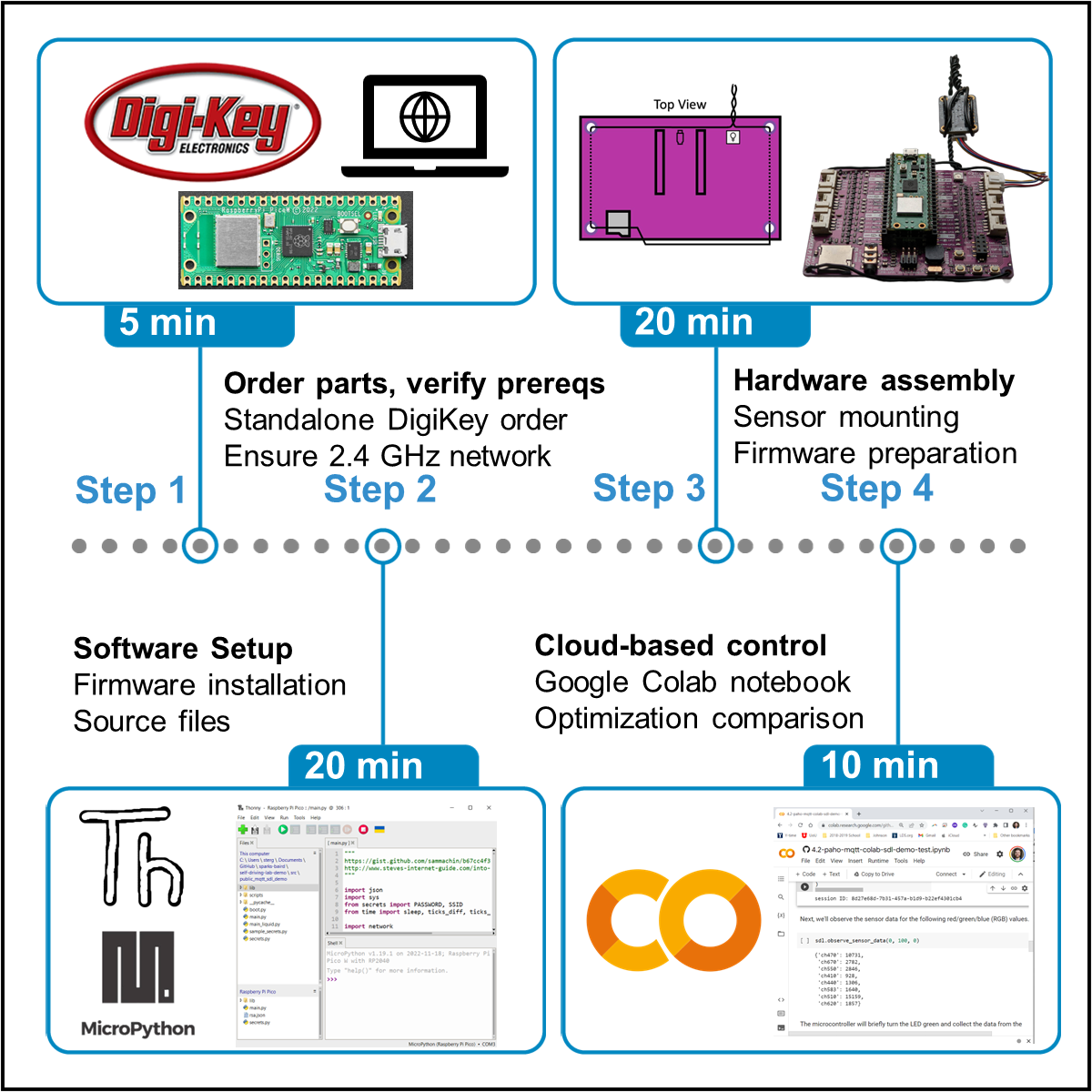
Setting up the CLSLab:Light “Hello World” demo. The workflow takes approximately one hour to complete using pre-made software components. Licensed under CC-BY license from: 10.1016/j.xpro.2023.102329
Hardware and WiFi Requirements
This tutorial will provide you with the information you need to know to complete the knowledge check. Pay careful attention to the hardware and WiFi requirements in the video tutorial and build instructions below. These are necessary to complete the last assignment in this module.
If you do not have the hardware, you will need to purchase the required components, replacing the USB power adapter with the correct style for your country (e.g., European type C), if necessary.
Video Tutorial
✅ Follow the video tutorial below. NOTE: You also need to copy the hivemq-com-chain.der file to the Pico W for it to work with recent version of the self-driving-lab-demo package, which is detailed in the Build Instructions manuscript (🔗 DOI: 10.1016/j.xpro.2023.102329). We recommend you print a hardcopy of this manuscript or open it in a separate tab while working through the tutorial.
Figures 1 and 3 from the build instruction manuscript are copied below for convenience:
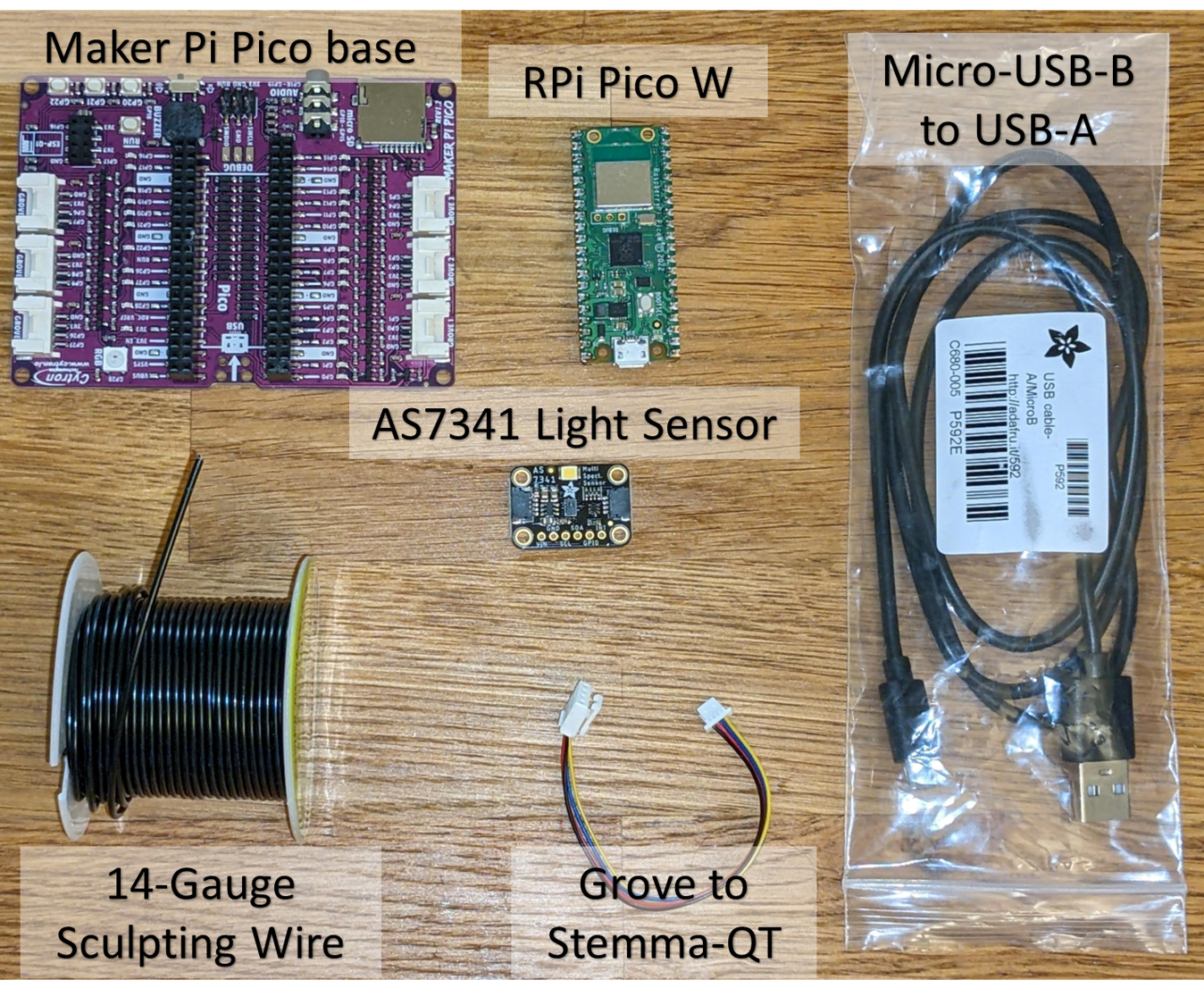
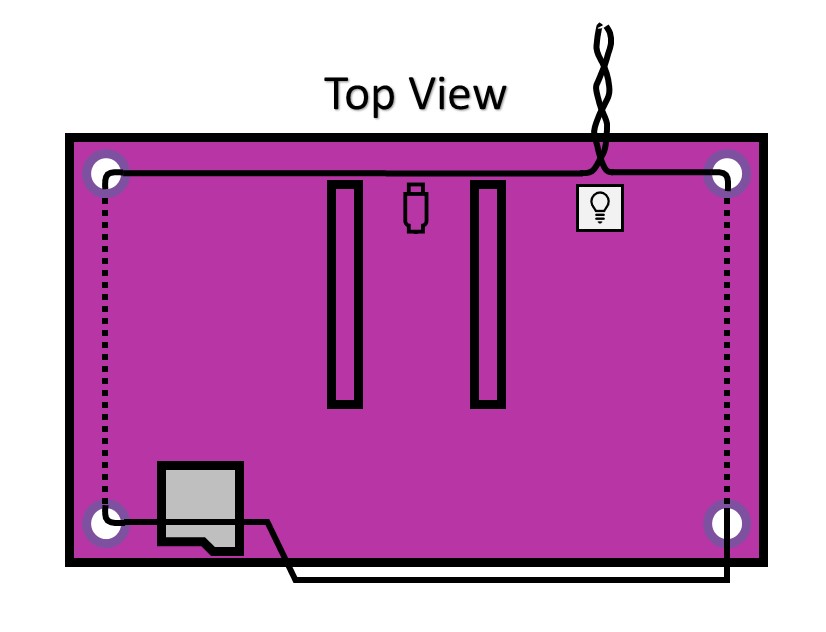
⚠️ You will need access to a 2.4 GHz WPA-2 wireless network (i.e., what is required for most internet-of-things devices). If you do not already have access to one, some alternatives include setting up a home network to broadcast both 2.4 GHz and 5 GHz networks per your router’s specific instructions, or perhaps easier - using a mobile hotspot in extended compatibility mode. Likewise, you may also use a SIM-enabled router. See some recommendations for more information about this topic.
Additional Resources
For some additional context about the motivation of these demos, read What is a minimal working example for a self-driving laboratory? at 🔗 DOI: 10.1016/j.matt.2022.11.007 or by clicking the image below:
Note: A static PDF copy is also available at ac-microcourses
Once you’ve finished following the build instructions manuscript, you are done with this tutorial 🎉. Return to the website to do a knowledge check.